I fell on my buttocks. What happens and what do I do about it?
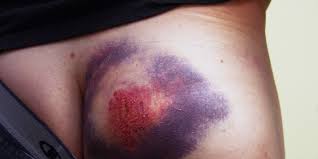
A fall on the buttocks can injure many different tissues. An injury to the superficial fascia and muscles can make small blood vessels bleed. If the skin isn’t broken the blood doesn’t have anywhere to go so it pools, forms clots, and changes the colour of the skin above the injury, like in the above photo. Harder blows tend to cause bigger red bruises which may be tender to touch and throb severely. As the bruise heals, the iron-rich substance in the blood, called haemoglobin, breaks down into other compounds, the bruise changes colour and the pain generally diminishes. Within a day or two, it turns purplish or black and blue. In 5 to 10 days, it may be green or yellow. In 10 to 14 days, it’s yellowy-brown or light brown. It should totally fade away and be pain-free in about 2 weeks. If you are lucky no treatment will be required.
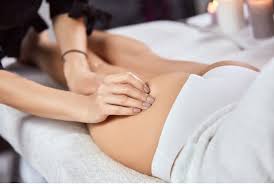
If the pain persists for more than 2 weeks some residual soft tissue damage, like densification of the superficial fascia and/or trigger points in the muscles most likely exists. Both types of tissue damage may require professional therapeutic attention. The treatments of choice including: massage, instrument assisted soft tissue scraping and/or dry needling can be initiated once most of the bruising has subsided, 2 weeks after the injury. Our chiropractors and massage therapist, Jo Badenhorst, are skilled in identifying and treating soft tissue injuries of the spine and buttocks.
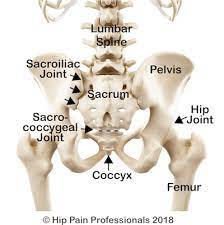
Beneath the superficial fascia and muscle are the bones, ligaments and joints of the hips, lumbar spine and pelvis. Any of the ligaments, joints or bones in the diagrams below can be sprained or bruised when someone falls on their buttocks causing significant persistent pain and disability.
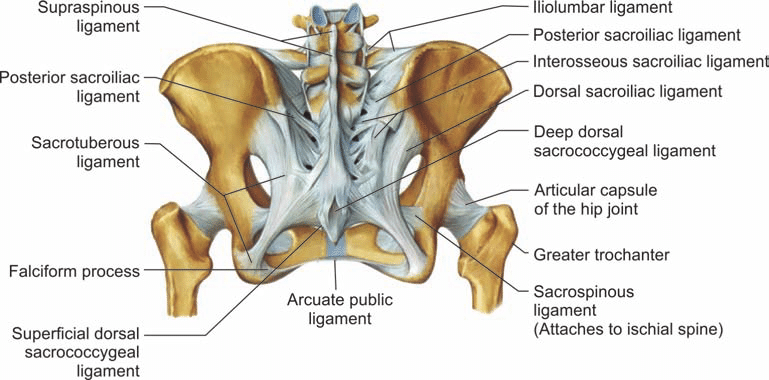
If the fall causes a joint to lock or get stuck in a twisted position it will need to be unlocked and eased back into motion. Chiropractic manipulations and/or mobilizations are the most efficient way to restore joint mobility. They relieve the pain by taking the strain off the overstretched ligaments and joint capsules, which also relieves the reflex tension and tenderness in the superficial muscles. Depending on the severity of the injury, manipulations can be applied to the joints minutes to hours after the injury, even if there is superficial bruising. With the average case, 4-6 treatments, targeted to the tissues that have been injured, over a 3-4 week period will provide significant benefit.
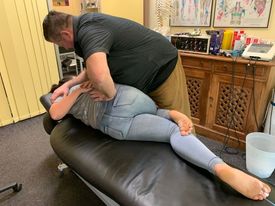
If a fracture is suspected, however, an x-ray, CT scan or MRI should be obtained prior to initiating any treatment. Our Doctors of Chiropractic are highly skilled in the diagnosis and management of joint, bone and soft tissue injuries of the lumbar spine, hips and pelvis. We are ideally placed to be the first port of call for someone who has fallen onto their buttocks. For appointments, please call 07 3823 2282
 While lying on your stomach may feel great, like getting a full body hug for as long as you want, it’s not good for your neck and can contribute to more than a poor night’s sleep. If you wake up irritable with neck pain, headaches or tingling in your fingers, keep reading.
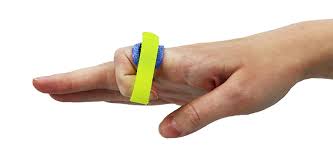 When to take the tape off in the morning you have a stiff and sore finger. You would not do that to a normal healthy finger so why would you do that to your neck?

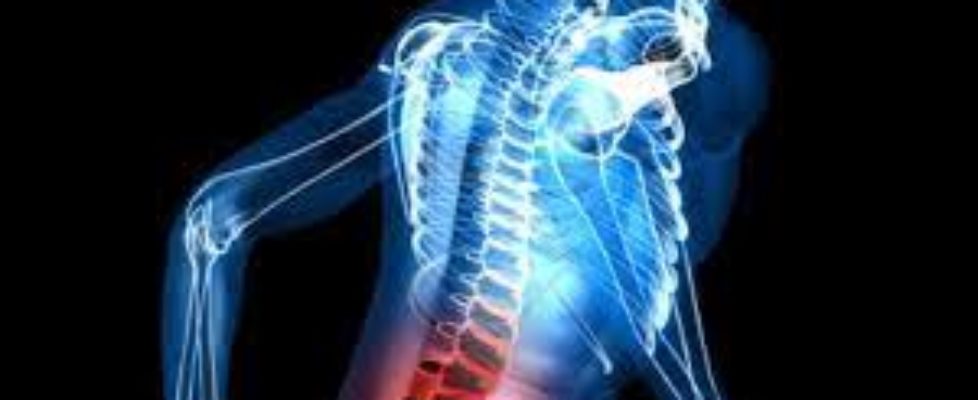
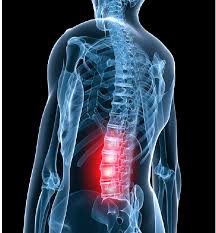 Between most vertebrae, the bones in the spine, is a sponge like disc. When we are upright or bending over we increase the pressure on the disc and very slowly squeeze the water from the tissue in the discs. When we lay down the reverse happens and the water is sucked back into the disc.
 There is a subpopulation of hypertensive (high blood pressure) patients that have ‘neurogenic hypertension’. Neurogenic hypertension is caused by nerve irritation due to dysfunction and mal-position of the upper cervical vertebrae.
 Low back pain is one of the most common pain conditions in the older population (70 – 100 years of age) and a major cause of disability. It may exert a major impact on the daily lives of sufferers. An active lifestyle consisting of regular (once a week or more) long walks, bicycling, gardening, dance, gym and/or other exercise significantly reduces the risk of seniors developing low back pain.

Calcific Tendinopathy: Focused Shockwave Therapy is the most efficient and cost effective treatment
May 16, 2024 by manager • News Blog
There are 4 alternatives to managing calcific tendinopathy in the shoulder: corticosteroid injections, surgical repair, focused shockwave (FSW) and living with it. Circled in blue on the left side of the image below is an example of a calcific deposit in the rotator cuff muscles. This condition is a common cause of serious chronic shoulder pain. On the right is the same shoulder after being treated with FSW. BOOM, no calcification, no risk of infection, no downtime.
The surgical correction can remove the calcification but it is way more expensive, costing thousands of dollars, with a risk of infection, requiring time off work and a lengthy rehab program.
The easiest, safest, most efficient and cost-effective procedure to eliminate tendon calcification is with FSW. The before and after photo at the top of the page shows what FSW can do after three treatments. The calcification was gone and the damaged tissue was repaired, allowing the individual to get on with life. On average, the calcium is reabsorbed 1-3 months after 1-3 weekly treatments delivering 2000 shocks at 6Hz. Each treatment takes 10-15 minutes.
Mild to moderate pain, 5/10, is experienced during treatment and most patients experience decreased pain and an improvement in their shoulder’s range of motion immediately after the treatment. In a study of 23 patients, at follow-up, 82.6% of cases show complete resorption and 8.7% show partial resorption. The remaining 8.7% showed no significant change in radiographic imaging.
The final alternative, living with it. Living with it means sleepless nights, having painfully reduced shoulder ranges of motion, reduced strength, having to reduce daily activities of living and a possible reliance on drugs. Since I have been trained in the use of FSW and have experienced it on my shoulders I can apply the therapy to your shoulders and prescribe the required exercises to rehabilitate the damaged tissues. There is no need to delay getting better.
To make an appointment for FSW please call us on 3823 2282 or 0409878180. If we are unable to answer your call, please leave a voice message. Alternatively, send us an SMS on 0409878180 and we will get back to you as soon as possible. For the computer savvy, you can book online at The Book Now icon is at the top right of the webpage.